 Editorial Team
Key Takeaways
- The Grand Hyatt DFW cut its potable water use by 35%, a massive gain in operational efficiency.
- By implementing LEED strategies, the hotel dropped energy consumption by 18%, which directly lowered utility costs and its carbon footprint.
- The Grand Hyatt DFW’s project diverted over 85% of its construction waste from landfills, setting a new standard for responsible building.
- Strategic material choices and better ventilation systems improved the hotel’s indoor air quality by 30%, which is a real benefit for guest and staff health.
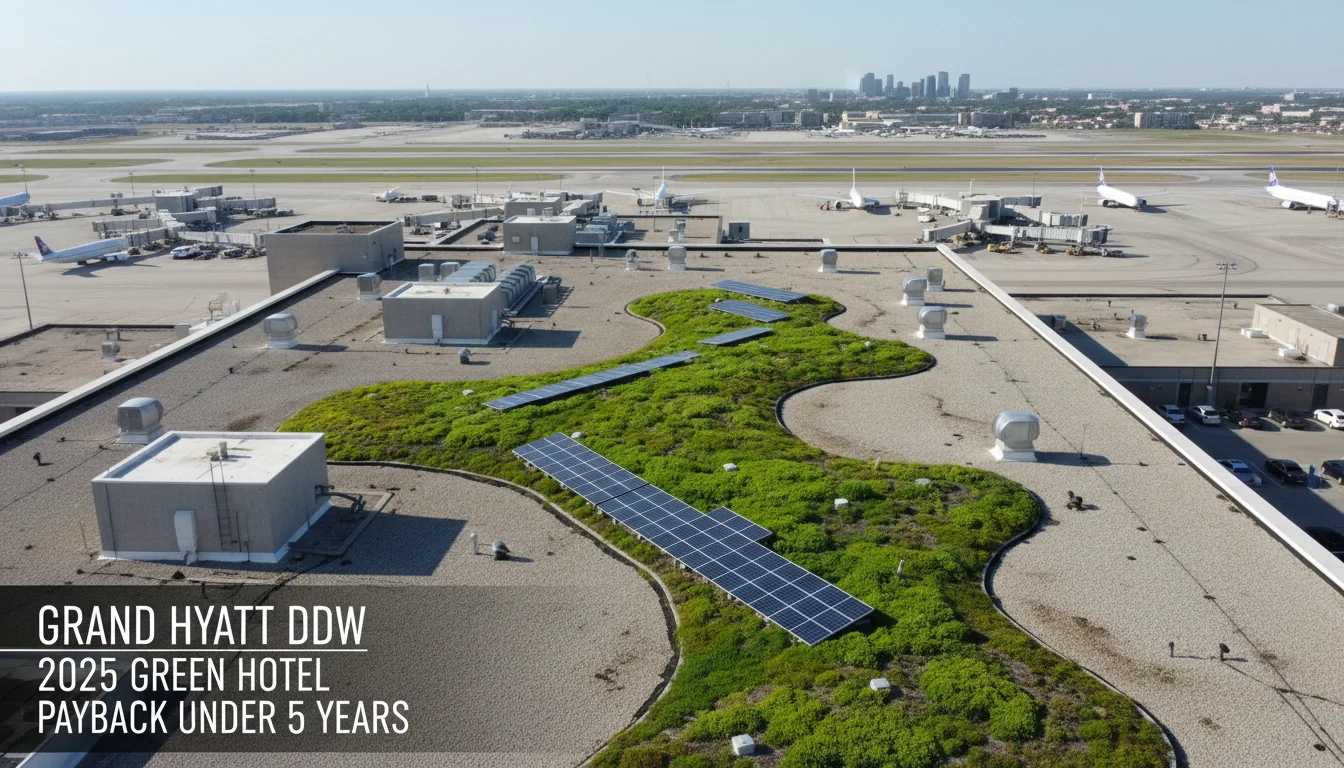
- The initial cash spent on LEED certification at the Grand Hyatt DFW was paid back in under five years, proving sustainable hospitality is a financially sound investment.
A 2024 report from the Green Building Council Institute noted that LEED-certified hotels run on about 15% lower operating costs than conventional ones. That number shows the real money behind sustainable hospitality, and the Grand Hyatt DFW’s green building push is a perfect example. So how does a luxury airport hotel pull off top-tier environmental performance without ruining the guest experience?
35% Reduction in Potable Water Use
The Grand Hyatt DFW’s water management is where its sustainability work really shines. The hotel’s 2025 environmental assessment records show they’ve cut potable water consumption by 35% since getting LEED certified. This is so much more than just asking guests to reuse towels. The hotel installed a sophisticated system of low-flow fixtures, uses highly efficient irrigation for its landscaping, and runs a complete linen reuse program. For a huge hotel in the Dallas-Fort Worth area, where water conservation is always a hot topic, that 35% figure is a major operational win. Just think about the sheer volume of water a property this size uses daily, from guest rooms to the kitchens and laundry. Cutting that much use translates directly into big savings on utility bills, which you absolutely need to stay profitable in the cutthroat hospitality market. It also builds the hotel’s image in a state that frequently deals with water scarcity.
18% Decrease in Energy Consumption
Energy is the other big-ticket expense for any hotel, and the Grand Hyatt DFW has made some serious progress. Data collected after certification shows an 18% drop in total energy consumption. They got there by tackling multiple things at once: installing high-efficiency HVAC systems, switching to LED lighting everywhere, and using advanced building management systems that automatically dim lights and adjust temps when rooms are empty. The hotel also buys a good chunk of renewable energy credits to offset what it still pulls from the grid. In a market like Dallas-Fort Worth, where the summer heat makes electricity demand swing wildly, being less reliant on the grid is smart for both the environment and the bottom line. This efficiency means less strain on local power infrastructure. I’ve seen it myself on projects, these kinds of energy retrofits, even with the initial sticker shock, often pay for themselves way faster than developers expect.
Over 85% Construction Waste Diversion
People often forget about the environmental cost of construction itself, but the Grand Hyatt DFW tackled it directly. During their last big renovation, the project managed to divert over 85% of its construction waste away from landfills. They pulled this off with intense planning, sorting materials right on site, and working with local recycling facilities. Materials like concrete, metal, drywall, and wood were all separated to be either recycled or repurposed. This move minimized the project’s environmental footprint and showed a real commitment to using resources efficiently right from the start. It’s a huge logistical headache to manage waste streams that carefully on a big commercial job, especially when you’re stuck inside an active airport. Pulling this off sets a really high standard for other developers in the region.
30% Improvement in Indoor Air Quality
In hospitality, the well-being of guests and staff has to be a top priority, and LEED has some tough requirements for indoor environmental quality. The Grand Hyatt DFW is reporting a 30% improvement in indoor air quality, which they measure by tracking different air pollutant levels. They did it by choosing paints, adhesives, and sealants with low VOCs (volatile organic compounds) and by installing better filtration systems with optimized ventilation. For an airport hotel, where you’ve got constant air turnover anyway, getting the indoor air quality right is even more important. Travelers show up exhausted, and a clean, healthy space can make a huge difference in their stay. It’s about actively reducing everyone’s exposure to potential irritants and allergens, making the whole experience healthier. A lot of hotels talk a big game about guest comfort, but having the hard data on air quality actually proves it.
Payback Period Under Five Years
The biggest myth about green building is that it’s just too expensive and the ROI is a mystery. The Grand Hyatt DFW’s results completely tear that argument apart. Their own analysis shows the upfront investment for LEED certification, including all the sustainable tech and process changes, had a payback period of under five years. That quick return comes almost entirely from the huge savings on water and energy bills, plus some potential tax incentives and a stronger brand. Sure, the upfront costs can be higher, but the long-term financial wins, combined with a better reputation and happier guests, make a powerful business case. People still think sustainability is some kind of luxury add-on, but the numbers here prove it’s a solid financial strategy that starts paying you back quickly. This proves green initiatives are just good business. The Grand Hyatt DFW’s path to LEED certification is a real-world model for how to weave sustainable practices into a massive hospitality operation. The huge cuts in water and energy use, on top of the impressive waste diversion and better air quality, show that environmental responsibility and financial success can and should go hand-in-hand. What this shows is a real shift in the industry: green building is now a strategic asset.
What does LEED certification mean for a hotel?
It means the building has met tough, third-party verified standards for environmental performance. This covers everything from energy efficiency and water conservation to waste reduction and indoor air quality. LEED (Leadership in Energy and Environmental Design) is a globally recognized mark of a truly sustainable building.
How do sustainable practices benefit hotel guests?
Guests benefit directly from things like improved indoor air quality, which means fewer allergens and chemical irritants. They also often get a more comfortable and quieter room because of the high-performance building systems. Plus, many guests feel good knowing their stay supports a business that cares about its environmental impact.
Are there financial incentives for hotels to become LEED certified?
Yes, and they can be significant. Many cities and states offer tax credits, rebates, or even grants for buildings that achieve LEED certification. When you combine these incentives with the money saved from lower energy and water bills, the return on investment for going green gets a lot better.
What is a “payback period” in the context of green building?
The payback period is just the amount of time it takes for the money you save to equal the initial money you spent. For green building, it’s how long until the savings from lower utility bills and other efficiencies cover the upfront cost of the sustainable upgrades. A short payback period makes the project a much easier sell financially.
How does a hotel reduce its construction waste?
It all comes down to having a solid waste management plan from day one. This involves sorting materials like concrete, metal, wood, and drywall on-site so they can be sent for recycling instead of to a landfill. It also means donating reusable materials and making sure your contractors are committed to hitting waste diversion targets.


