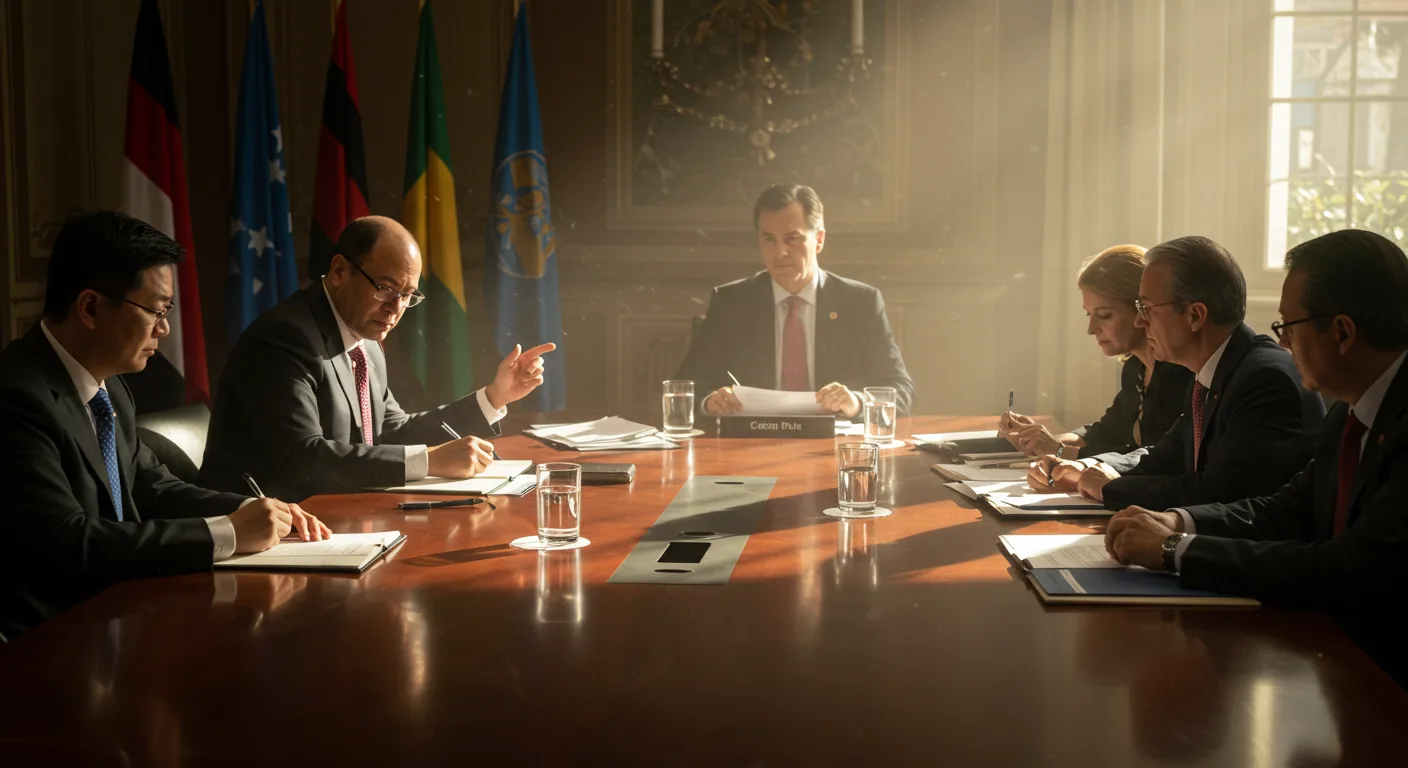
Understanding the Core Principles of Diplomatic Negotiations
Diplomatic negotiations are a cornerstone of international relations, playing a vital role in resolving conflicts, fostering cooperation, and shaping global news. They are a structured process involving communication and bargaining between parties with differing interests, aiming to reach a mutually acceptable agreement. But what fundamental principles underpin effective diplomatic engagement?
First and foremost is the principle of reciprocity. This entails responding to actions with equivalent actions, whether positive or negative. It’s the “tit-for-tat” approach that builds trust or escalates tensions. However, successful diplomacy often requires a degree of flexibility beyond strict reciprocity. This means understanding the other party’s perspective and being willing to compromise.
Transparency, while not always fully achievable, is another key element. Sharing information (where appropriate) and clearly articulating one’s position can foster trust and prevent misunderstandings. However, strategic ambiguity can also be a valuable tool in certain situations, allowing for room to maneuver and explore different options. The Council on Foreign Relations stresses the importance of balancing transparency with the need for confidentiality in sensitive negotiations.
Finally, respect is paramount. Even when dealing with adversaries, maintaining a level of respect for their sovereignty, culture, and viewpoints is crucial for productive dialogue. This doesn’t mean agreeing with their positions, but rather acknowledging their legitimacy as actors on the world stage.
These principles form the bedrock of diplomatic negotiations, influencing the strategies and tactics employed by diplomats worldwide. Ignoring them can lead to breakdowns in communication and ultimately, the failure to achieve desired outcomes.
Preparing for Diplomatic Negotiations: Research and Strategy
Before even entering the negotiating room, meticulous preparation is essential. This involves in-depth research and the development of a comprehensive strategy. Without this groundwork, even the most skilled diplomat can falter.
The first step is thorough research. This includes understanding the history of the issue at hand, the other party’s interests and priorities, their negotiating style, and their domestic political constraints. Accessing reliable sources of information is crucial. Government intelligence reports, academic studies, and open-source intelligence (OSINT) can all contribute to a comprehensive understanding. Consider using tools like Recorded Future for OSINT gathering and analysis.
Next comes strategy development. This involves defining your objectives, identifying your bottom line (the point beyond which you are unwilling to concede), and formulating a plan for achieving your goals. It’s also important to anticipate the other party’s moves and develop contingency plans for different scenarios. This might involve creating a decision tree that maps out potential outcomes based on different negotiation tactics.
A crucial element of strategy is understanding your leverage. What assets or resources do you possess that the other party values? What are their vulnerabilities? Identifying and leveraging these factors can significantly strengthen your negotiating position. This could involve economic sanctions, military deployments, or diplomatic alliances.
Finally, consider the communication strategy. How will you frame your arguments? What tone will you adopt? Who will be the lead negotiator, and what roles will the other members of your team play? Effective communication is essential for conveying your message clearly and persuasively.
A study by the Harvard Negotiation Project found that negotiators who spend more time in preparation are significantly more likely to achieve favorable outcomes.
Key Tactics Used in Diplomatic Negotiations
Once you’re prepared, understanding the common tactics used in diplomatic negotiations is crucial. These tactics can range from subtle persuasion to overt pressure, and knowing how to recognize and respond to them is essential for navigating the negotiating table successfully.
- Framing the Issue: This involves presenting the issue in a way that favors your position. For example, instead of framing a dispute as a “territorial conflict,” you might frame it as a “violation of international law.”
- Setting the Agenda: Controlling the agenda allows you to prioritize issues that are favorable to your side and potentially delay or avoid discussing less favorable topics.
- Using Deadlines: Imposing deadlines can create pressure on the other party to concede more quickly. However, artificial deadlines can also backfire if they are perceived as unreasonable or coercive.
- Employing Good Cop/Bad Cop: This involves one negotiator taking a tough stance while another adopts a more conciliatory approach. This can create a sense of pressure and encourage the other party to compromise with the “good cop.”
- Offering Concessions: Making strategic concessions can build trust and encourage reciprocity from the other party. However, it’s important to avoid making concessions too early or too easily, as this can be interpreted as a sign of weakness.
- Building Coalitions: Forming alliances with other countries or organizations can strengthen your negotiating position and increase your leverage.
Beyond these tactics, understanding the nuances of non-verbal communication is also vital. Body language, tone of voice, and facial expressions can all convey subtle messages that can influence the negotiation process. Diplomatic training often includes instruction in interpreting and managing these non-verbal cues.
It’s important to remember that the effectiveness of any particular tactic depends on the specific context of the negotiation. What works in one situation may not work in another. The key is to be adaptable and to adjust your approach based on the dynamics of the negotiation.
The Role of Communication in Diplomatic Negotiations
Communication is the lifeblood of diplomatic negotiations. It’s not just about what you say, but how you say it, and even more importantly, how well you listen. Effective communication can build trust, bridge divides, and ultimately lead to successful outcomes.
Active listening is paramount. This involves paying close attention to what the other party is saying, both verbally and non-verbally, and seeking to understand their perspective. It also means asking clarifying questions and summarizing their points to ensure that you have understood them correctly. This demonstrates respect and builds rapport.
Clear and concise language is essential. Avoid jargon, ambiguity, and overly complex phrasing. Use language that is easily understood by all parties involved, even those who may not be native speakers of your language. Consider using translation services, like GTranslate, to ensure accurate communication across language barriers.
Framing your message effectively is also crucial. This involves presenting your arguments in a way that resonates with the other party’s interests and values. It also means anticipating their objections and addressing them proactively.
Furthermore, building rapport is key. This involves establishing a positive relationship with the other negotiators, finding common ground, and demonstrating empathy. Even small gestures, such as using their name or asking about their family, can help to build trust and create a more conducive environment for negotiation.
According to a 2025 report by the United States Institute of Peace, effective communication skills are consistently identified as one of the most important attributes of successful diplomats.
Navigating Cultural Differences in Diplomatic Negotiations
In an increasingly interconnected world, diplomatic negotiations often involve parties from different cultural backgrounds. These cultural differences can significantly impact the negotiation process, leading to misunderstandings, misinterpretations, and ultimately, breakdowns in communication. Therefore, understanding and navigating these differences is crucial for success.
First, it’s essential to be aware of different communication styles. Some cultures are direct and explicit in their communication, while others are more indirect and rely on non-verbal cues. For example, in some Asian cultures, saying “no” directly is considered impolite, so they may use more subtle ways of expressing disagreement. Understanding these nuances can prevent misinterpretations.
Values and beliefs also play a significant role. Different cultures may have different priorities and values, which can influence their negotiating positions. For example, some cultures may prioritize collective interests over individual interests, while others may place a greater emphasis on tradition and honor. Understanding these underlying values can help you to tailor your arguments in a way that resonates with the other party.
Negotiating styles also vary across cultures. Some cultures prefer a more collaborative approach, while others are more competitive. Some cultures value building relationships before getting down to business, while others prefer to focus on the issues at hand. Adapting your negotiating style to match the cultural norms of the other party can help to build rapport and create a more productive environment.
To prepare for cross-cultural negotiations, it’s helpful to conduct research on the other party’s culture. This includes learning about their history, customs, values, and communication styles. Consulting with cultural experts or interpreters can also be valuable.
Ultimately, successful cross-cultural negotiations require patience, empathy, and a willingness to learn. By being open to understanding different perspectives and adapting your approach accordingly, you can overcome cultural barriers and achieve mutually beneficial outcomes.
Analyzing Recent Diplomatic Negotiations and News
Staying informed about current events and analyzing recent diplomatic negotiations is crucial for understanding the evolving landscape of international relations. Examining specific examples can provide valuable insights into the strategies, tactics, and challenges involved in modern diplomacy, and how they are reported in the news.
For example, the ongoing negotiations surrounding climate change provide a rich case study. The annual Conference of the Parties (COP) summits bring together representatives from nearly every country in the world to discuss and negotiate agreements on reducing greenhouse gas emissions. Analyzing the outcomes of these summits, the positions of different countries, and the role of non-state actors can reveal valuable lessons about the complexities of multilateral diplomacy.
Similarly, negotiations related to trade agreements, such as the Comprehensive and Progressive Agreement for Trans-Pacific Partnership (CPTPP), offer insights into the economic dimensions of diplomacy. Examining the interests of different countries, the concessions they are willing to make, and the impact of these agreements on global trade flows can provide a deeper understanding of the interplay between economics and politics.
Furthermore, analyzing negotiations related to conflict resolution, such as those aimed at resolving the conflict in Ukraine, can shed light on the challenges of dealing with complex security issues. Understanding the motivations of the different parties involved, the role of external actors, and the obstacles to achieving a lasting peace can provide valuable lessons for future diplomatic efforts.
When analyzing these examples, it’s important to consider the following factors:
- The interests of the different parties involved.
- The power dynamics at play.
- The role of international norms and institutions.
- The impact of domestic politics on the negotiating positions of different countries.
- The media coverage of the negotiations.
By critically analyzing recent diplomatic negotiations, we can gain a deeper understanding of the challenges and opportunities facing diplomats in the 21st century.
In conclusion, mastering diplomatic negotiations requires a blend of preparation, communication skills, cultural awareness, and strategic thinking. By understanding the core principles, employing effective tactics, and adapting to different cultural contexts, you can increase your chances of achieving successful outcomes in any negotiation setting. Remember to stay informed about current events and analyze recent diplomatic negotiations to learn from the successes and failures of others.
What is the most important skill for a diplomat?
While many skills are crucial, active listening is arguably the most important. Understanding the other party’s perspective is the foundation for building trust and finding common ground.
How do you handle a difficult negotiator?
Stay calm, focus on the issues, not the person, and try to understand their underlying motivations. Sometimes, acknowledging their concerns can de-escalate the situation.
What is the role of compromise in diplomatic negotiations?
Compromise is essential. Negotiations rarely result in one party getting everything they want. A willingness to concede on some points is necessary to reach a mutually acceptable agreement.
How can cultural differences affect negotiations?
Cultural differences can impact communication styles, values, and negotiating approaches. Being aware of these differences and adapting your approach accordingly is crucial.
What are some common mistakes to avoid in diplomatic negotiations?
Common mistakes include failing to prepare adequately, not listening actively, making ultimatums, and being inflexible.



