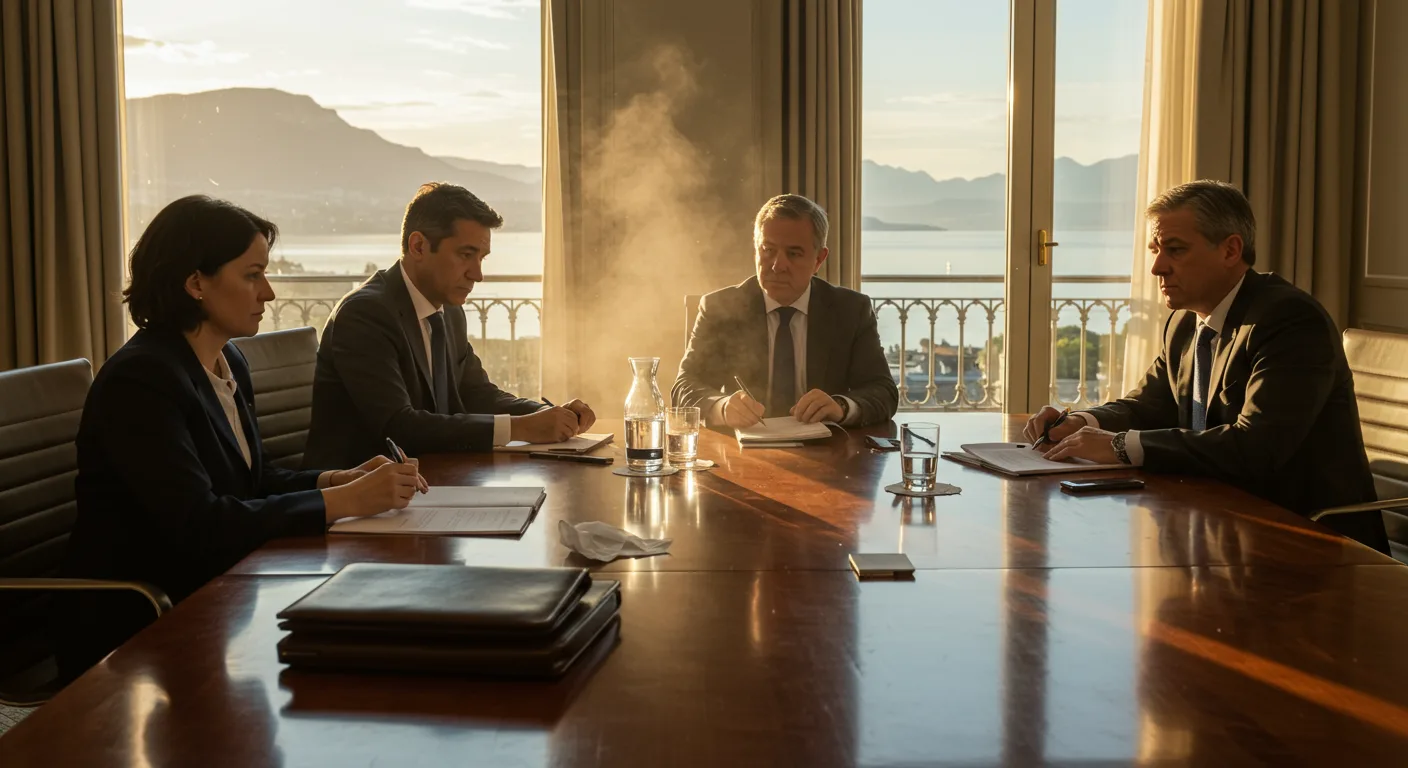
Diplomatic Negotiations Best Practices for Professionals
In the complex world of international relations and business, diplomatic negotiations are critical. These delicate discussions shape agreements, resolve conflicts, and foster cooperation. But what are the essential ingredients for success in these high-stakes scenarios, and how can professionals hone their skills to achieve optimal outcomes? Are you ready to unlock the secrets to mastering diplomatic negotiations?
Mastering Cross-Cultural Communication
Effective cross-cultural communication is paramount in diplomatic negotiations. Misunderstandings arising from cultural differences can derail even the most promising discussions. Professionals must demonstrate cultural sensitivity and adaptability to build rapport and trust.
- Research: Before entering negotiations, thoroughly research the culture, customs, and communication styles of your counterparts. Understand their values, priorities, and potential sensitivities.
- Active Listening: Practice active listening to understand not only what is being said but also how it is being said. Pay attention to non-verbal cues, such as body language and tone of voice.
- Clarity and Simplicity: Avoid using jargon, idioms, or slang that may be unfamiliar to your counterparts. Speak clearly and concisely, using simple language to ensure your message is easily understood.
- Patience: Be patient and understanding when faced with communication challenges. Allow time for clarification and avoid rushing the process.
- Seek Feedback: Regularly seek feedback from your counterparts to ensure your message is being received as intended. Be open to adjusting your communication style as needed.
For example, in some cultures, direct eye contact is considered a sign of respect, while in others, it may be seen as confrontational. Similarly, the concept of time and deadlines can vary significantly across cultures. Being aware of these differences and adapting your communication style accordingly can significantly improve the chances of a successful negotiation.
From my experience facilitating international trade negotiations, I’ve found that investing time in pre-negotiation cultural briefings significantly reduces the risk of misunderstandings and builds stronger relationships.
Strategic Preparation and Planning
Thorough strategic preparation and planning are the cornerstones of successful diplomatic negotiations. This involves a deep understanding of your own interests, objectives, and red lines, as well as a comprehensive assessment of your counterpart’s position.
- Define Objectives: Clearly define your objectives and priorities. What are you hoping to achieve through the negotiation? What are your must-haves, and what are you willing to concede?
- Assess Counterpart’s Position: Research your counterpart’s interests, objectives, and potential constraints. Understand their priorities and potential red lines. What are their strengths and weaknesses?
- Develop a Negotiation Strategy: Develop a comprehensive negotiation strategy that outlines your approach, tactics, and potential concessions. Consider different scenarios and develop contingency plans.
- Gather Information: Gather as much relevant information as possible to support your position. This may include data, statistics, reports, and expert opinions.
- Identify Potential Trade-offs: Identify potential trade-offs and areas of compromise. What are you willing to give up to achieve your primary objectives?
The International Crisis Group provides up-to-date analyses and recommendations on conflict resolution strategies that can inform your negotiation planning.
Building Trust and Rapport
Establishing trust and rapport is crucial for fostering a productive negotiation environment. When parties trust each other, they are more likely to engage in open and honest communication, explore creative solutions, and reach mutually beneficial agreements.
- Be Transparent: Be transparent and honest in your communication. Avoid making false claims or misrepresenting information.
- Show Respect: Treat your counterparts with respect, even when you disagree with their positions. Acknowledge their perspectives and show empathy for their concerns.
- Find Common Ground: Identify areas of common ground and build upon them. Focus on shared interests and goals to create a sense of collaboration.
- Be Reliable: Keep your promises and commitments. Follow through on your agreements and demonstrate your reliability.
- Build Personal Connections: Take the time to build personal connections with your counterparts. Share information about yourself and show genuine interest in their lives and experiences.
For example, sharing a meal or engaging in informal conversations outside of the negotiation room can help build rapport and foster a more positive relationship.
Effective Communication Techniques
Mastering effective communication techniques is essential for conveying your message clearly, persuasively, and respectfully. This involves not only what you say but also how you say it.
- Active Listening: Practice active listening to fully understand your counterpart’s perspective. Pay attention to their words, tone of voice, and body language.
- Clear and Concise Language: Use clear and concise language to avoid misunderstandings. Avoid jargon, idioms, and ambiguous terms.
- Persuasive Arguments: Present your arguments in a persuasive and logical manner. Use evidence and data to support your claims.
- Non-Verbal Communication: Be mindful of your non-verbal communication. Maintain eye contact, use appropriate body language, and modulate your tone of voice.
- Questioning Techniques: Use strategic questioning techniques to gather information, clarify positions, and challenge assumptions.
The Harvard Negotiation Project offers resources and training on effective communication techniques for negotiators.
Conflict Resolution and Mediation
Navigating conflict resolution and mediation is an inevitable part of diplomatic negotiations. Disagreements and disputes are bound to arise, and professionals must be equipped to manage them effectively.
- Identify the Root Cause: Identify the root cause of the conflict. What are the underlying issues and concerns driving the dispute?
- Remain Calm and Objective: Remain calm and objective, even when emotions run high. Avoid personal attacks and focus on the issues at hand.
- Seek Common Ground: Seek common ground and identify areas of potential compromise. Focus on shared interests and goals.
- Generate Options: Generate a range of potential solutions to the conflict. Brainstorm ideas and explore different possibilities.
- Evaluate Options: Evaluate the options and select the solution that best addresses the needs of all parties involved.
In some cases, it may be necessary to involve a neutral third party mediator to facilitate the conflict resolution process. The Program on Negotiation at Harvard Law School offers resources and training on mediation techniques.
Leveraging Technology in Negotiations
In 2026, leveraging technology in negotiations is no longer optional, but a necessity. Digital tools can enhance communication, streamline information sharing, and facilitate collaboration, regardless of geographical distances.
- Secure Communication Platforms: Utilize secure communication platforms for confidential discussions and document sharing. Ensure that all communication channels are encrypted and protected from unauthorized access.
- Virtual Meeting Tools: Employ virtual meeting tools such as Zoom or Microsoft Teams to conduct remote negotiations. These tools allow for face-to-face interaction, screen sharing, and real-time collaboration.
- Collaborative Document Editing: Use collaborative document editing platforms like Google Docs or Microsoft Word to jointly draft and revise agreements. This ensures that all parties have access to the latest version of the document and can contribute in real-time.
- Data Analytics Tools: Employ data analytics tools to analyze negotiation data and identify trends, patterns, and potential areas of compromise. This can help you make more informed decisions and develop more effective negotiation strategies.
- AI-Powered Translation: Utilize AI-powered translation tools to overcome language barriers and facilitate communication with counterparts who speak different languages. These tools can provide real-time translation of spoken and written text.
Based on a 2025 report by the United Nations, the use of secure communication platforms in international negotiations has increased by 45% in the past year, leading to more efficient and transparent discussions.
Conclusion
Diplomatic negotiations require a multifaceted skillset encompassing cultural sensitivity, strategic planning, effective communication, and conflict resolution. By mastering these best practices, professionals can navigate complex negotiations with confidence and achieve optimal outcomes. Embrace technology, build trust, and always strive for mutually beneficial agreements. Are you ready to implement these strategies and elevate your negotiation skills to new heights?
What is the most important skill in diplomatic negotiations?
While many skills are important, effective communication, including active listening and clear articulation, is often considered the most crucial. Without clear communication, misunderstandings can easily derail negotiations.
How can I build trust with my counterparts in negotiations?
Trust is built through transparency, honesty, and reliability. Keep your promises, be respectful of your counterparts’ perspectives, and find areas of common ground to build a positive relationship.
What should I do if a negotiation reaches a deadlock?
If a negotiation reaches a deadlock, try to identify the root cause of the conflict and seek common ground. Consider involving a neutral third-party mediator to facilitate the resolution process.
How important is cultural awareness in diplomatic negotiations?
Cultural awareness is extremely important. Misunderstandings arising from cultural differences can derail negotiations. Research your counterparts’ culture, customs, and communication styles to avoid potential pitfalls.
What role does technology play in modern diplomatic negotiations?
Technology plays an increasingly important role in modern diplomatic negotiations. Secure communication platforms, virtual meeting tools, and collaborative document editing platforms can enhance communication, streamline information sharing, and facilitate collaboration, regardless of geographical distances.








